
The problem of ozone pollution in our country is growing and has become an important factor affecting summer air quality, and volatile organic matter (VOCs) is an important precursor to ozone formation. To control ozone pollution effectively, excess emissions from sources of volatile organic matter (VOCs) need to be controlled.

Depending on the distribution of the industry, various provinces and municipalities have developed local standards and regulations that place specific requirements for the governance and emission compliance of Vocs in key sectors such as petrochemic, organic chemicals, industrial coating and packaging printing.
In order to further regulate the technology and market of the VOCs Online Continuous Monitoring System for Fixed Pollution Sources (VOC CEMS), the Ministry of Ecology released the standard document Technical Requirements and Test Methods for the Permanent Monitoring System for Fixed Pollution Sources (HJ 1013-2018) at the end of 2018, which was officially implemented in July 2019.

In the context of the increased demands placed on instrumentors by the introduction of the new standards, Thermo Fisher has taken the lead in launching a new generation of VIC CEMS-type products, continuing to lead the industry.
Type 6000 Vocs CEMSIt's coming up!
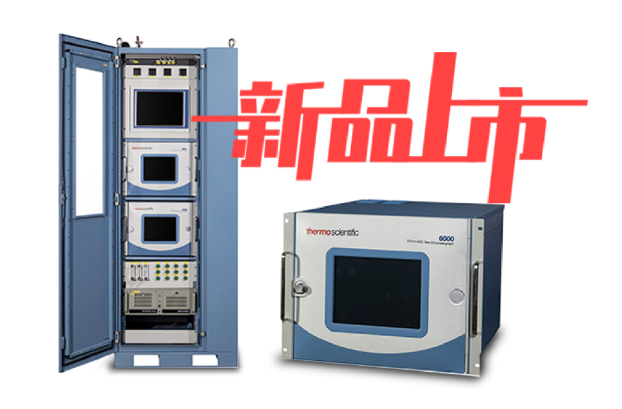
Thermo Scientific 6000 fixed sources
Continuous monitoring system for volatile organic emissions
The four leading edges of the brand-new 6000 VOC CEMS product
:: Unique technologyReduce oxygen interference. Large lead country bid requirements to meet future upgrade needs
Increased electronic pressure control (EPC) modules and atmospheric balance valves Airways are better and measurements are more stable and accurate.
It's hotter and colder all the way. avoid condensation and corrosion, improve instrument durability and reduce maintenance costs
Direct flame temperature detection technology, significantly reducing response time for fire outburst To prevent hydrogen leaks and improve product safety
Features of the New Model 6000 VOC CEMS
01
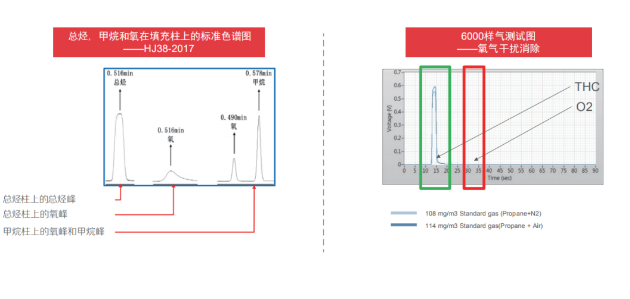
Thermo Fisher's unique technique to avoid the disadvantages of deductions and avoid oxygen peaks at peaks.( Oxygen interference is less than 1%F.S., Better than national standards. 2% Limitations )
02
Full heating without cold spots and EPC air route improvement design with better product performance
From sampling to analysis module, 120°C heating of the entire course(or above 20°C of smoke) with no damage to the sample during transmission, reducing air congestion and ensuring accurate measurements
Increase atmospheric balance valves and keep sample ring pressure stable.Increase in the useful life of rotor valves and high system repetition
Add EPC electronic pressure control modulePressure adjustment fast and accurate to reduce on-site maintenance time
Add gas preheating to the FID detector., Broader environmental applicability (0-45℃)
03
Direct temperature detection techniques and remote operation functions to enhance on-site maintenance and safety
FID detects temperature directly at the flames, and the response time for the fire is significantly reduced.Prevention of accidental leakage of hydrogen and improvement of product safety
Serial communication RS232. EPA can read the test data directly from the analyzer.• To prevent data forgery and meet dynamic management needs
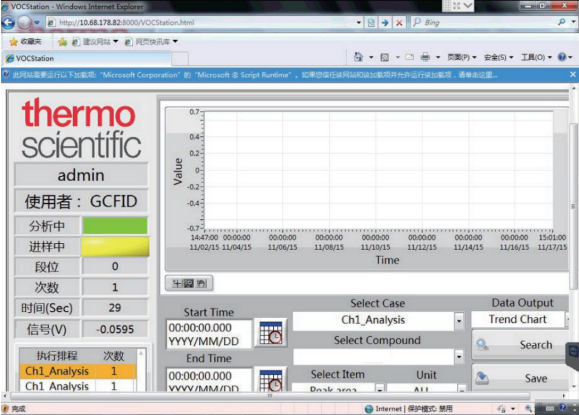
Remote operation based on web-based web-based technology without presenceOperation of remote maintenance and blast-proofing areas without opening doors
Ten inches of super-color touch screen.Simpler on-site operation maintenance
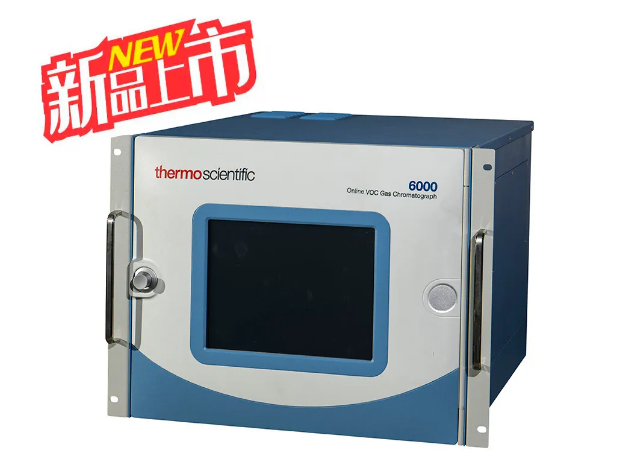
New Model 6000 gas chromatograph
Rationale
Gas samples are pumped from a sample pump into an inhaling instrument, and the samples are separated using a separation tube in the cylinder through the propulsion of the carrying gas; The separated organic matter enters the flame ionization detector in sequence, is ionized into carbon anion and electronics in hydrogen flames, producing microelectric currents that output signals through a signal amplifier, from which the mapping analysis software calculates the concentration of the components.
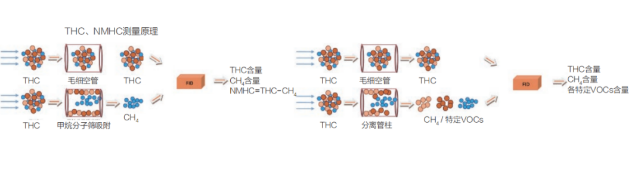
System characteristics
Based on thermal measurement design and composition, the analyzer may have an acceptable sample temperature of up to 220°C
It's gonna make it work.
THC/CH4/NMHC
Benzene/ toluene / xylene et al.
Other customisation feature factors
Zoom range.
0–50 ppm / 500 ppm / 5000 ppm / 5% / 50% (as methane)
• Time for analysis is rapid and meets both the continuity requirements for compliance and the process control requirements for the treatment equipment.
• Calibration
The whole-way system is calibrated to meet national standards and to ensure the accuracy of the entire analytical system.
Instrument calibration clearance to provide ease of maintenance for VOCs monitoring systems.
◼ Rapid sample replacement for real-time monitoring
Sample update rate :1-6 L/min。
With regard to the monitoring challenges of Vocs, one of the sources of the ozone pollution problem, our Division has launched a new VIC CEMS product of 6,000, which effectively helps clients to address the monitoring challenges and achieve efficiency and ease in the monitoring process.