
It is well known that the VOC gas detector is an instrument used to continuously measure toxic and harmful organic gases in hazardous or industrial environments, especially for personal safety protection and on-site VOC detection, and therefore it is highly demanding for data collection. If the data are not collected correctly, it is likely that the effects of the later use will be directly affected. So you know how the VOC gas detector works? If you don't know, let's see how we use it!
Steps and methods for the use of VOC gas detectors
VOC gas detector data collection:
Data collection models:
When the VOC gas detector performed the data collection, the instrument showed disk symbols indicating that the data collection was ongoing. At the end of each data-collection cycle (data collection has been opened), the instrument saves data on gas concentrations, user ID, field ID, serial number, last scheduled date, alarm limit values, etc., and even if the instrument is closed, all data are stored in the instrument ' s memory without loss. You can get the data to the computer.
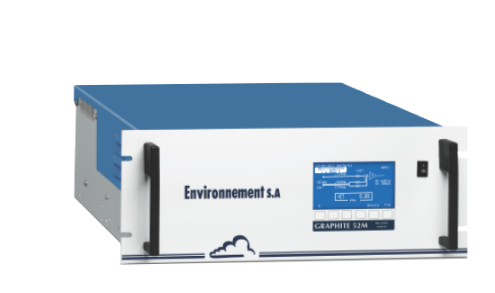
VOC gas detectionThere are three data collection models for the equipment:
(1) Automatic: Default mode. Automatically collect detection data when the instrument opens for sampling.
(ii) Manual: data collection can only take place when the data collection function is manually activated.
(3) Synopsis: Data collected in Synthetic Sample (activated single event data capture by mode keys).
2. Data collection events:
When data collection is open, detected data are kept. These data are kept in the form of “groups” or “events”. Each time an instrument is activated, or parameters are changed, or data collection is interrupted, a new test time is created and relevant information is kept. The duration of each event does not exceed 24 hours or the amount of data collected does not exceed 28,800 points. If the same event lasts for more than 24 hours, a new event is automatically generated. Information on the onset of the event, user ID, site ID, gas name, serial number, last date marked, alarm limit values, etc. will be automatically recorded and stored.
3. Data collection samples:
When recording a data gathering event, the instrument holds the data in the abbreviated form. When the data is transmitted to a computer, the number of samples, dates, gas concentrations and other relevant information is presented through the software.