
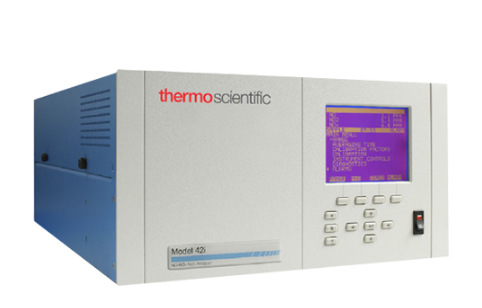
The flue gas analyzer is a device for measuring flue content using electrochemical sensors on a continuous basis. Flue Gas Analyzers Four major use techniques.
1. Ensure that the flue gas analyzer has the latest calibration certificate.
Only authorized calibration companies authorized by the manufacturer are used, as BS7967 requires recalibration of analyzers only on the basis of the manufacturer ' s instructions. Without a valid calibration certificate, you will not be able to comply with BS7967*, and any results from the analyzer will be worthless, and the GSR checker may affect your work.
2. Registration of smoke analyzers with manufacturers
KANE allows the registered owner to “schedule and pay” for fixed-price services, calibration and recertification. This reduces the time that the analyzer leaves, thereby ensuring that you do not leave the analyzer longer than necessary and that you do not receive any contingencies. In addition, being a registered owner means that you can contact you about the re-certification of the flue gas analyzer, and can help you to reassemble with the stolen analyzer (if stolen), because the stolen device can be reported from KANE's dashboard.
3. Prior to the use of analyzer
Ensure that the date and time are correct on the flue gas analyzer, that the analyzer is in the calibration period and that there is sufficient power in the battery to perform the required tests. Ensure that the collector is clean and dry and always open in fresh air.
4. Observation of water levels and filters in water collectors
The water entering the analyzer is not good and is expensive to repair because it is not covered by warranty. Dirty filters may also affect the performance of the analyzer.