
The flue gas analyzer is a specialized instrument for the detection of gas composition and concentrations, which can effectively measure gas and contribute to the development of the environmental industry. What should be noted in the use of the smoke analyzer? Flue Gas Analyzers What do you need to be aware of in use?”
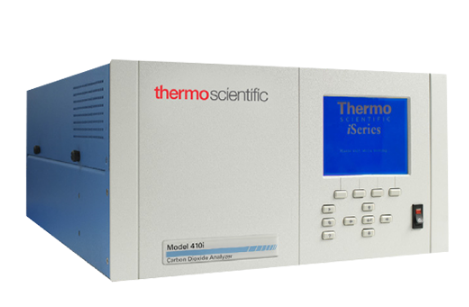
I. What should be noted in the use of the flue gas analyzer?
1. Depending on the type, either the power units are 5V1A or the charger batteries are paired according to the electrical parameters in the corresponding specifications, if replacement of the power adaptor or battery is required;
2. At the time of use, both the flue gas temperature and the ambient temperature are required, and if the temperature exceeds the upper limit specified in the Frozen Gas Analysis Device, it will not only affect the measurement results but also damage the temperature sensor and associated components;
3. The use of pneumatic analyzers for measuring electrical components or surroundings is strictly prohibited in order to avoid safety incidents;
4. The sharing of flue gas analyzers and their probes with solvents is prohibited, and drying agents are not used;
5. Do not place the flue gas analyzer handles and feeders at a temperature of 70;
6. Switch off the flue gas analyzer before replacing its battery. Complete replacement within 60 minutes to preserve the date and time settings.
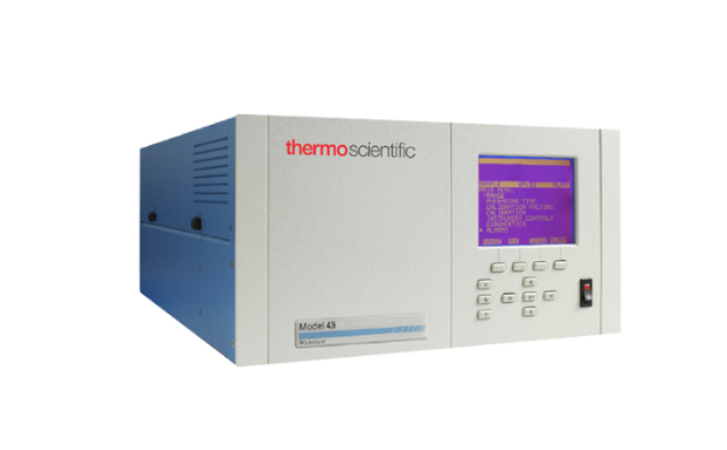
7. If batteries of the flue gas analyzer are to be charged, the device should be shut down, and if the new instrument will stop charging batteries and use the power unit directly;
8. Before the flue gas analysis is activated, the required measurement probes must be connected;
9. If the probe is replaced in an instrument-opened state, the flue gas analyzer needs to be reactivated to ensure that the corrected data are read into the smoke analyzer;
10. When the flue gas analyzer reaches 90 per cent of the liquid level of the condensation slot, it is indicated to be empty. Be careful not to decompress during the operation of the flue pumps;
11. When condensed, the export of condensation must be completely closed in order to avoid infiltration into the air and affect the accuracy of the measurements;
12. In the use of flue gas analyzers, care should be taken to avoid spilling liquids into the skin or eyes;
Avoid a strong impact on flue gas analysis to avoid damage to the smoke analyzer;
14. After a measurement exercise, the flue gas analyzer shall clean the probe (non-solvent) and keep it after cooling;
15. If a flue gas analyzer’s shell is dirty, it can be rinsed with wet rags or with weak detergents or soap. However, cleaning agents or solvents (e.g. acetone) are not allowed