
The equipment currently prevalent is the Infrared Sensor Multifunctional Fneo gas analyzer, which should allow elements to absorb a particular wavelength, with different levels of infrared light being absorbed when detected gases enter the Infrared Absorption Pool, thus calculating the gas content. Infrared sensory properties are resistant to moderate toxicity, wide range of scale and agility.
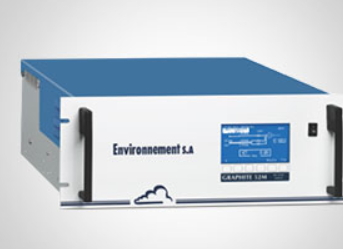
The sensors are not the same for different working methods equipment, and the electrochemical sensors are smaller in size and can be transposed to a handheld type, although the error of the sensors is around ±5°, which is consistent with the norm, but relatively poor. Electrochemical sensors are also vulnerable to interference with other gases, increasing errors in the measurement results. Thus, electrochemical flue gas analyzers are relatively cheap and, if the budget is low, the equipment can be selected, usually in demand for two to three years.
Infrared sensors measured by multifunctional fume analyzers do not normally exceed ±2°, are a sophisticated analytical instrument, and the infrared means of measuring are not affected by other elements, and smoke analyzers with infrared sensors have a longer lifetime, usually more than 10 years, and are very reliable. However, such equipment is expensive, usually several to ten times as expensive as electrochemical sensors.