
There is a variety of flue gas analyzers due to the diversity of the gases analysed and the variety of the principles used for the analysis.
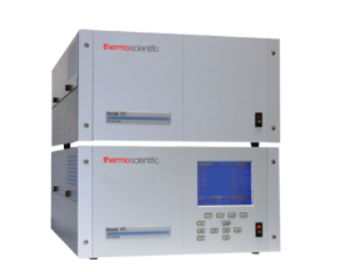
A pneumatic gas analyzer of a physical type, a thermoconductor. It calculates the content of certain components of the mixture based on the principle that different gases have different thermal conductivity. This is a simple and robust profile, with a larger variety of gases to be applied and a fundamental one. However, the direct calibration factor for the gas is difficult to compare, so it is common practice to convert changes in the gas-conductor coefficient to resistance changes, which are then measured by a bridge.
Thermally sensitive elements of the thermal conductor flue gas analyzer are mainly semiconductor sensitive elements and metal electrical resistance wires. Semiconductor sensitivity elements are small in size, thermal inertia, and resistance temperature coefficients are high and therefore flexible and time lags are small. Crushed bead metal oxides on platinum wires are used as sensitive elements, followed by internal electrical resistance, and the same platinum coil with equal heat flow, to compress the non-responding information on the gas.