
The application of flue gas analyzers in the chemical industry, which used to be very common, as a process control instrument, provides important data for the control and guidance of chemical consumption processes. This makes the process control more timely and precise, and completes the optimization and efficiency of consumption.
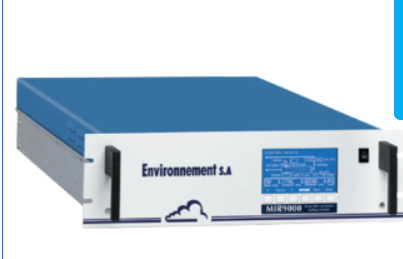
What should be the taste premise for choosing a suitable personal flue gas analyzer?
I. What gases are first to be detected by selecting a gas detector that understands one ' s needs? In what environment? Portable or fixed? And other side effects. These causes usually require reflection. Otherwise, it would appear that an oxygen detector was intended to buy an ozone detector, and that would cause a major urn, without delay, to cause unnecessary economic loss.
2. The normal function of a gas detector to understand the use of functional demand gases is to detect concentrations of gases, over-standard alarms, etc. But many clients need more than that. Signal output is on the one hand, the required current output, digital signal output, voltage output and switch output, etc. There may also be other special requests such as network interfaces and wireless signals. At the same time, data documentation and disposal are more common than intended.
3. Understand operating conditions. Gas detectors have strict requirements for the site environment, typically including a temperature range of -20–60°C, humidity of 0–95% RH and pressure of 106 kPa ±20 kPa, as well as dust and flow conditions. Other impurities can significantly affect results and cause unexpected losses. Inform the manufacturer of the actual site conditions so that an appropriate solution can be provided.
4. It is not true that the sensors of many gas detector plants at the place where the sensors are understood are labeled foreign sensors. Some use domestically produced sensors to impersonate imported sensors to trap consumers. When such situations arise, product information is carefully checked and, where necessary, purchase and sale contracts are signed to guarantee personal rights and interests.
V. There are forced requests, such as blast-proofing, for the use of gas detectors at sites where there is an understanding of the safety of the site. The coal, oil and chemical industries are stringent in their requests for blast protection and require the self-detonation of instruments with blast-proof certification. Other environments may request documents such as an environmental certificate or a certificate of acceptance of measuring devices for gas detectors.