
In the systematic control of the new dry cement consumption line, the gaseous composition (O2, NO, CO, CO2) of the smoking chambers, the export of synthetic furnaces, and the export of primary cylinders are important. For example, if the concentrations of oxygen, carbon monoxide, nitrogen oxides were known, the ventilation and suffocation conditions in the kiln could be accurately determined and adjusted in a timely manner.
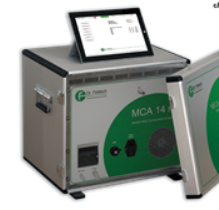
However, in a number of field studies, experts on the Network found that the large local cement industry ' s on-line flue gas profiler, which is particularly important in the smoke room, had been damaged to the point that it was never installed after the damage. This is due to the harsh operating environment of the smoke room, which makes it difficult to ensure a good working state when the smoker's probe is in the smoke room for long periods of time. The maintenance of the on-line flue gas profiler is also complex, and it is costly to negotiate on-site maintenance. These common gaseous composition practices in the smoke chambers concern the fact that many cement enterprises have been in a vacuum (see figure below).
There are also local cement enterprises that have purchased portable aerogas anatomy from various manufacturers, but this equipment cannot be used because it does not understand the details of the cement enterprise, leading to frequent selection errors.
The filter position of the device is located at the top of the probe. When the gas composition is stopped, the demand deepens the probe to detect the flue gas. That is to say, when measuring the gas composition of the smoke room, filters are required to be inserted into the smoke room. The smoke room had temperatures of up to 1000-1200°C and had a high dust content, and the filter would cause damage to the speed, ultimately causing the measure to go out of control and the equipment to lose its proper value.