
Flue gas analyzer technical overview: Flue gas analyzers are used to measure the gaseous composition of the gas produced in the fuel combustion industrial boilers, the Froggy Continuous Gas Analysisr, NSA-3080, active online monitoring system of the gas pollution sources of the boilers, which includes: sulfur dioxide, nitrogen oxides, soot, flow and other auxiliary parameters O2 volumes, etc.
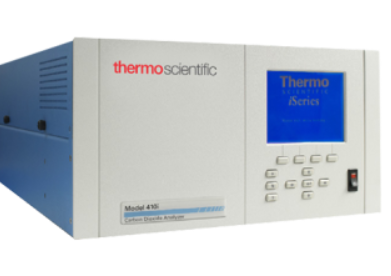
The flue gas analyzer is equipped with the flue gas analyzer, which consists of a continuous flue gas measurement system, a fume detector, an auxiliary parameter determination system and a data collection processing system. The flue gas determination system consists of three components: sampling probe, heating catheter, gas analyzer.
The analysis principle on-line continuous smoke monitoring and analyzer uses a combination of non-colour-dispersible infrared absorption and electrochemical or thermomagnetic methods to measure the amount.
NOx, CO and CO2 select non-chromatic infrared methods. Infrared insorption concentration units are designed to measure gas concentrations by measuring the intensity of perforated light using the properties of infrared light that can be absorbed by gas molecules consisting of atoms. Infrared bands, different characteristics of different gas components absorb wavelengths and determine the concentration of the gas according to the absorption size of the gas component to a given characteristic, thereby converting the concentration information of the gas constituents into digital information.
The advantage of infrared measurement is that interference with monitored gases from other gases can be avoided, resulting in a combined measure of concentration of multiple gases and a high degree of precision. The measured concentrations are wide-ranging and resistant to interference and are suitable for monitoring the fumes from pollution sources in complex conditions. In addition, infrared light sources have a long lifespan. UV fluorescent is suitable for active air monitoring only at lower concentrations and under better conditions; Ultraviolet light sources have a relatively short lifetime, with less than 10 months to replace the light source once, and have to be calibrated.
Select the thermomagnetic approach. Use oxygen for properties that are easily magnetized by the magnetic field. Heating elements are punctured into small chambers for measuring and comparing, with reinforced magnetic fields attached to the measuring rooms. O2 in the sample gas is magneticized by the magnetic field, resulting in continuous flow of the gas (magnetic wind). The resulting magnetic wind strength is proportional to the concentration of O2 and cools the heating element. The two heating elements in the determination and comparison rooms, together with fixed resistance, constitute electrical bridges, and the strong and weak magnetic wind causes resistance changes in the heating elements, constituting an unbalanced voltage of the bridge, which is used to determine the concentration of O2.