
At the beginning of the article, we need to understand that smoke is harmful.
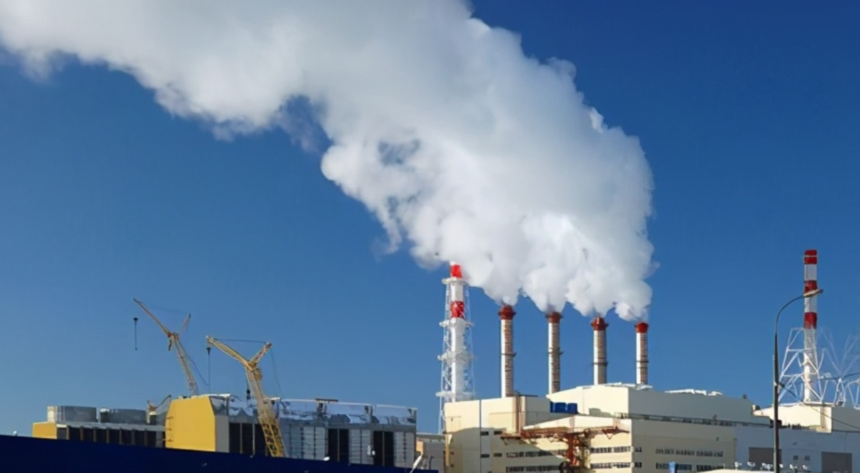
Smoke is a mixture of gas and dust and is a major cause of air pollution in residential areas.
Tobacco is harmful to human health and pollutes the environment.
The composition of the flue gas is quite complex, including nitrogen, carbon dioxide, water vapour, particulate matter (dust and blackness), oxygen, carbon monoxide, nitrogen oxides, sulfur dioxide, hydrogen sulfide, hydrocarbons, hydrogen cyanide, ammonia, halogenated substances, etc. , as well as thermally decomposition products of ash, coal particles, oil droplets and fuel. Some of these gases and substances are inherently toxic, so the harm caused by flue gases to the environment is the compound contamination of various toxins.
In order to effectively detect and control emissions of flue gas, how is it monitored using the flue gas analyzer?
What's a smoke analyzer?
Flue gas analyzers are devices for continuously measuring and analysing the content of O2, CO, CO2, NO, NO2, NOx, SO2, CXHY, soot, exhaust temperature, flue pressure, combustion efficiency and excess air coefficients in the atmosphere using sensors. The flue gas analyzer is used primarily for monitoring the environmental emissions of pollution near small-scale fuels, gas boilers or pollution sources. Depending on the mode of use, the flue gas analyzer can be divided into a handheld smoke analyzer and a fixed online recorder.
What are the advantages of a flue gas analyzer?
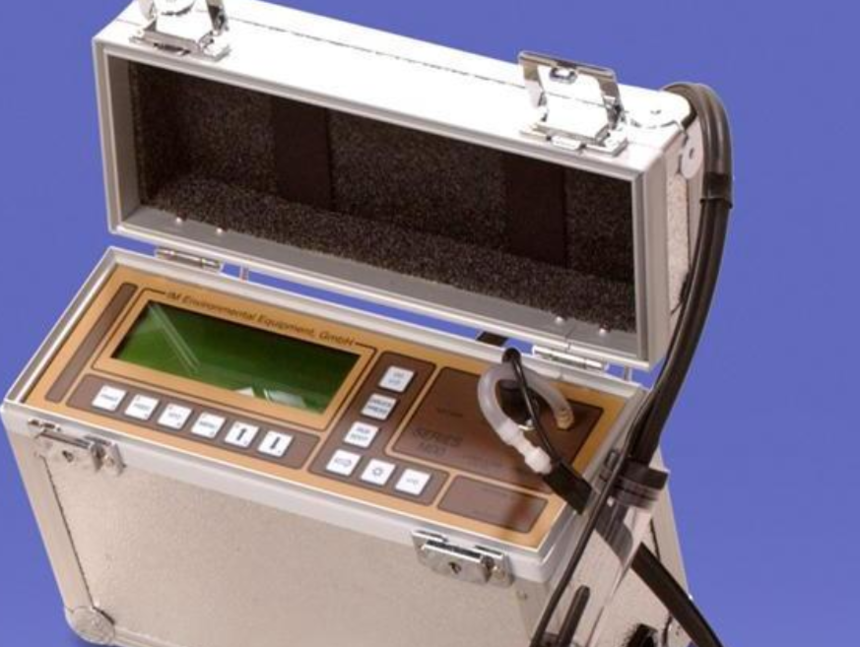
The flue gas analyzer is small and light, easy to carry and store, and facilitates the detection and use of on-site operators.
What are the main applications for the flue gas analyzer?
The gas analyzer has a wide scope of application, mainly for detection of leakages from natural gas, liquefied gas and gas.