
With the rapid development of our glass industry, how to improve the quality of products and the management and maintenance of equipment, the achievement of energy-saving emission reductions has become an important issue for the industry.
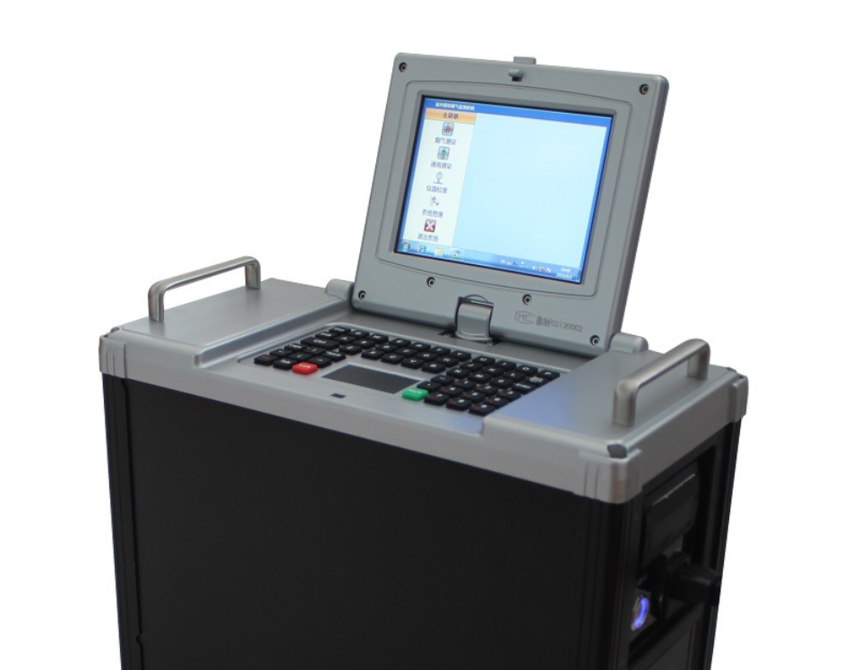
1. The main functions of the flue gas detector in the glass industry are as follows:
The analysis of the waste gas (O2, CO2, CO2) and its importance are the “eyes” of operators and managers during the operation of glass kilns to detect combustion processes and increase combustion power. Measuring instruments such as flue gas detectors, which are essential for the detection of glass kilns, provide strong safeguards for the entire production line. Its economic benefits are also enormous, far exceeding the value of the instrument itself.
How does the flue gas detector provide the best measure for the glass industry? - Our technology.
An important task of clean-burning glass plants in monitoring flue gas emissions and achieving clean combustion is to reduce the generation and release of polluting gases such as SO2, NOx and CO2 through clean combustion in the production process and to prevent the pollution of the atmosphere by industrially controlled shared plants.
2. The measuring tasks of the smoke detector in the glass industry include:
In the process of melting, the gas content in the kiln is a direct characteristic of the combustion atmosphere in the kiln.

Determines whether the ratio of fuel to air (oxygen) is reasonable. Flue gas detectors are used to detect the O2, CO, CO2 and other gas content of the smelting furnaces, hothouses, etc., and to adjust the combustion system to make the fuel reasonably compatible with the air (oxygen), fully burn, and increase the combustion power.
We can provide you with imported products such as gas sensors, smart gas detection modules, gas detectors, gas alarms, gas transformers, gas detectors, gas detectors, gas controllers and gas control hosts, as well as overall solutions. With hard quality and good services, products are not only best sold domestically, but also in countries and regions such as the Middle East, India, Japan and Taiwan Province of China.