
Flue gas analyzers work in two common ways: electrochemical and infrared. Electrochemical gas sensor works: the gas to be detected passes through dust removal, dehumidisation into the sensor room and through the permeable membranes into the electrolytic cell; The gas that is diffused in the electrolyte is electrolyzed at the specified oxidized level, and concentrations of its gases are derived from the consumed electrolytic current.
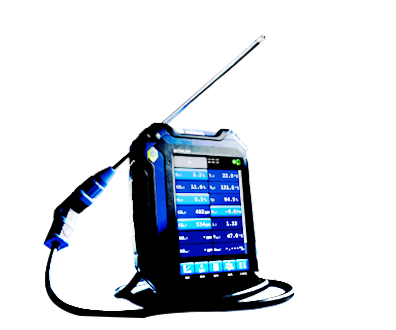
Installation of working electrodes, electrodes and reference electrolytics between electrolytes, diaphragms made of pore-tetrafluoroethylene and encapsulation at the top, in a plastic-made drum pool. The pre-memplifier is connected to the sensor ' s electrode, which exerts a certain level of electrical power between the electrodes, leaving the sensor in a working state.
The working electrodes of gases in electrolytes are oxidized or reducted, and the electrodes are reductive or oxidized, and their equilibrium level changes, with a variation value proportional to the concentration of gases. Gases such as SO2, NO, NO2, CO, H2S can be measured, but the sensitivity of these gas sensors varies from high to low, with H2S, NO, NO2, SO2, CO and typically response times ranging from seconds to tens of seconds; Usually less than 1 min; They have a life span of only half a year, two or three years, and some CO sensors last for several years.

(b) The working principles of infrared sensors; Gas composition and content analysis using principles of special absorption properties for the electromagnetic energy of infrared wavelengths using different gases. Infrared generally refers to electromagnetic radiation at wavelengths ranging from 0.76 m to 1,000 m. Infrared wavelengths actually used in infrared gas analysis instruments are approximately 1 ~50 μm.