
Aerogas analysis is important in the sectors of fertilizers, cement production, petrochemicals, metal and steel metallurgy, power generation, waste disposal, etc., with different compositions of flue gas, but mainly gases of SO2, NOx, CO, CO2, O2 etc. Flue gas analyzers have become powerful devices used by these industries to ensure safety, stability and efficient production.
Cement production, in the control of the new dry cement burning system, analysis of the content of the flue gas composition (NOx, CO, O2 and SO2) exported from the kiln tailing room and the preheater tank is of great importance. Based on the Frozen Analyzer analysis, the medium control operator is able to make a more accurate determination of the temperature of combustion in the kiln, ventilation within the kiln, a reaction atmosphere (which generally requires an oxidation atmosphere) and make timely adjustments. For example: Coal reduction based on NOx values in the kiln's tailing room; (a) The internal ventilation of the kiln is determined by CO and O2 values, which allow for an increase in, reduction in, or opening of, the main windwinder at the end of the kiln, and three turn-off of the windpipe plate to adjust the internal ventilation; The condition of the kiln may also be adjusted in a timely manner to the size of SO2). Especially when the condition of the kiln fluctuates, it is particularly important that the data be accurate in the judgement of the kiln operator.
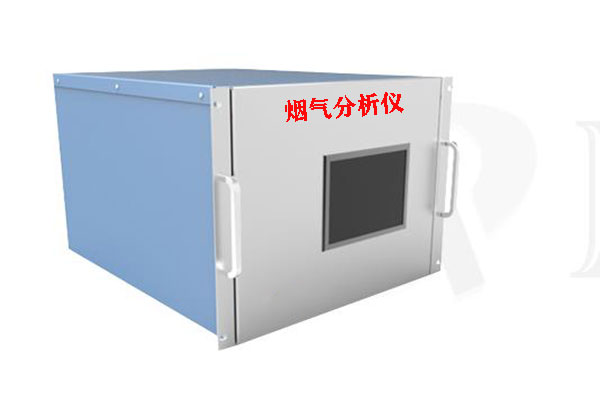
In the petrochemical industry, since oil refining is a high-energy industry, energy conservation and consumption increases economic efficiency and is targeted by oil refiners. Flue gas analyzers, for combustion furnaces, are able to understand the combustion of the furnaces by analysing the composition of the smoke, thus optimizing the operating conditions to achieve the *good combustion value; For the analysis of catalyst-burned flue gas, the determination of the composition of the flue gas allows the calculation of the hydrocarbon ratio of the catalyst and the understanding of the focus of the catalyst, based on which the devices are optimized to obtain the economic benefits.* As a result, flue gas analysis is a very important technical indicator for the refining industry.
Steel metallurgy, for the metallurgical industry, installation of an on-line flue gas analyzer on the transvestite pipe, real-time analysis of information on transvestite flue gas composition (including CO, CO2, N2, Ar2, O2, H2, CH, He, etc.) and temperature, for detection of dynamics within the transvestite furnace, continuous dynamic control, known as transfluorfluorous smoke analysis dynamic control, which is also commonly known as furnace gas analysis dynamic control. It is a method that distinguishes it from the dynamic control of the sub-machine gun. It completes flue gas carbon fixation (also known as boiler carbon fixation), temperature forecasting, spray forecasting and control, and increases the endpoint rate of the rotor and achieves the overall dynamic control of steel reprocessors.
Fire-fired power generation, coal-fired plant boilers, while contributing easily, have also generated a large number of SO2, NO, etc., and devulcanization has become an important means of total emission control. The large number of online pollutant monitoring systems CEMS are installed in coal-fired boilers, the reliable and accurate operation of these devices and the importance of their supervision and management make flue gas analyzers an important tool for environmental law enforcement and scientific management in environmental monitoring.

Waste disposal, as urbanization accelerates, makes urban waste a serious problem. Landfilling involves the disposal of large amounts of land, while many waste is difficult to decompose, resulting in long-term pollution of the environment. Incineration is a better way to deal with waste, leaving few residuals after burning. Waste incineration produces toxic dioxins, but studies indicate that dioxins are produced at a temperature that can be controlled by controlling the temperature of combustion. In many parts of the country, waste-burning power plants are being built, both to dispose of waste and to provide clean energy by using residual heat. The emission components from waste incineration are complex, and the gas components that typically require FAS analysis are HC, SO2, NO, NO2, NH3, CO, CO2, H2O, O2 etc.
At the same time, the multi-assembly, gas analysis unit, the CEMS, can be used both for smoke analysis in waste incineration power plants and extensively in other waste incineration plants.
In sum, the fume gas analyzer is used extensively and is important for both industrial production and environmental protection.