
|
What are the issues to be addressed in VOC waste gas management?Time: 2022-03-18 In the analysis of atmospheric pollution, there is always an overemphasis on objective conditions and disadvantages. Compared with other cities, such as topography, wind direction, location, the perception that the lack of improvement in environmental quality is largely due to external causes, and that some prefer to talk about input pollution rather than to analyze underlying causes and not to strengthen themselves, is very detrimental to environmental pollution management.
Volatile organic compounds, known as VOCs, are organic compounds with a boiling point under constant pressure**260°C or a saturated vapour pressure greater than 71Pa at room temperature. Vocs have a wide variety of species, of which aromatic hydrocarbons, alcohol, cool and formaldehyde are common for industrial solvents. Most VOCs are toxic, reeking or even carcinogenic, * causing great harm to humans and the environment,** and the emission of VOC is continuously restricted by legislation. The main sources of VOC are fixed and mobile. The mobile sources consist mainly of gas emissions from petroleum-fueled vehicles such as cars, ships and aircraft; and the variety of fixed sources, mainly effluents such as petrochemical processes and storage equipment, and various sites where organic solvents are used, such as spray paints, printing, metal removal and deflation, adhesives, pharmaceuticals, plastics and rubber processing. In addition to these large sources of pollution, there are also small sources of pollution that are readily visible in everyday life, such as paints, paints, floors, etc. At current levels of technology, emissions of these gaseous pollutants cannot be avoided and there is an urgent need for technologies to effectively manage these gaseous pollutants.
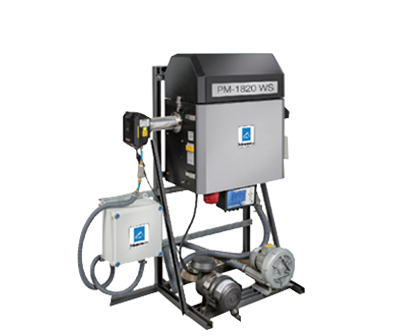
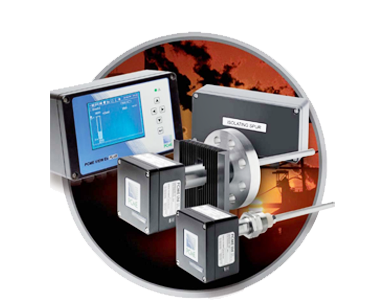
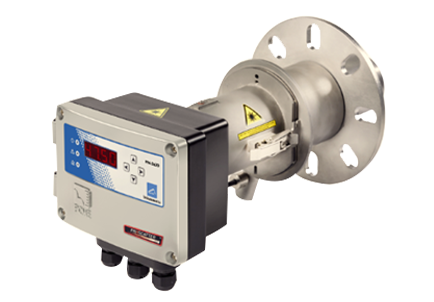
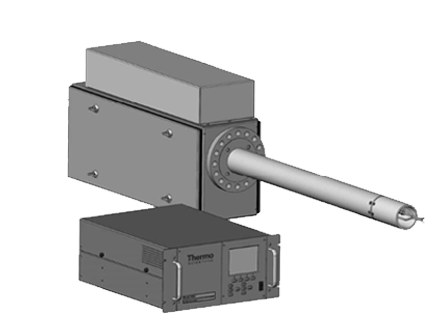
II. VOC gas treatment There are currently non-destructive methods, destructive methods and a combination of both in the Voc approach. Non-destructive methods, i.e. recycling methods, are mainly carbon adsorption, transformor adsorption, absorption, condensation and membrane separation techniques, typically the separation of VOC by physical methods, such as changing temperature, pressure or using selective adsorption and selective permeation membranes; destructive methods include direct combustion, thermal oxidation, catalytic combustion, biooxidation, plasma method, ultraviolet catalytic oxidation and its integrated techniques: the transformation of VOC into a non-toxic, small molecular compound, such as CO: and water, using heat, light, catalyst and microbes, mainly chemical or biochemical reactions. Traditionally, VOC ' s flue gas treatment has used adsorption or adsorption removal, combustion removal etc. Biooxidation, plasma, semiconductor light catalyst techniques have been developed in recent years. The VOC detector, produced by Zhejiang Highpower Environmental Technology Ltd., is an excellent product in the industry ' s waste gas management and detection industry, using new technologies that are well designed and ** designed to detect the gas composition, effectively detect the VOC gas and contribute to the treatment of VOC ' s waste gas.
III. Discussion At present, organic gas pollutants released from the plant VOC exhaust gas, car tail gas, petrochemical fuel combustion exhaust gas, room renovation materials, etc. are increasingly endangering the Earth ' s ecological environment and human health. The various methods of dealing with VOC exhausts have their own characteristics and shortcomings. Depending on the circumstances, they need to be complemented by a tailored choice of the appropriate treatment. However, whatever method is used, cleaner production techniques should be used as far as possible to avoid secondary contamination. ** Data talking, full consultation. Air quality speaks for data, and a range of work can be done only if the data science is true. On the one hand, hardware facilities should be improved. In many places, monitoring instruments are ageing. A number of urban monitoring stations were set up in the early 1990s and were not replaced with maintenance, and it is recommended that the instruments be calibrated and that a new generation of monitoring instruments be considered for replacement where available. There are also cities that are growing, urban areas are changing, and air monitoring points are not readjusted. The monitoring of the environment within a range of 1,000 to 3,000 metres around the point is carefully checked, and the position of the point is in such environments as the industrial concentration zone, the motorized tailings zone, etc. On the other hand, there is a need to strengthen the workforce. It is necessary to upgrade the level of operations of the monitors to ensure the proper functioning of automatic monitoring points, to encrypt conferences based on the assurance of the reliability of data, to carefully analyse data profiles, to draw up pollution factors and to conduct targeted governance.
While industrial waste currently accounts for a major share of atmospheric pollution, there are many ways to deal with industrial waste pollution, such as biological deodorant, waste gas treatment equipment, ion deodorant equipment, and light deodorant. Second, sharing of tasks, command responsibilities. Atmospheric pollution control involves a number of sectors, including environmental protection, rehabilitation and urban management, and tasks have been broken down in most areas. It was crucial to ensure that departments were able to fulfil their mandates on time. It can be said that the lack of layers of responsibility in some places has contributed to the poor performance of the prevention and treatment tasks. At present, the State has put in place the Programme for Accountability for Environmental Damage in the Context of Environmental Damage (Preliminary) and the Programme for the Supervision of the Environment (Preliminary) of the Party's Government, which are responsible for ensuring that their environmental protection responsibilities are fully recognized and implemented at the local level. |