
|
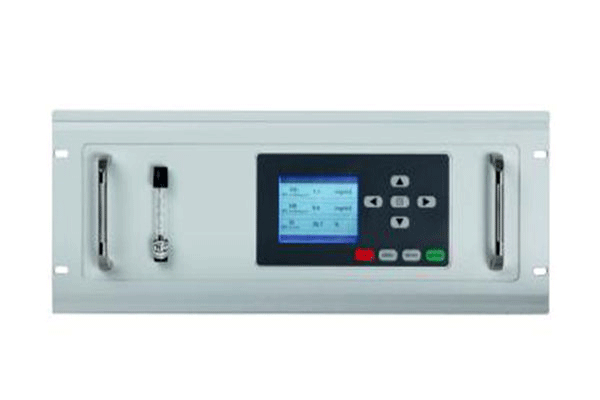
The correct operating procedure for the flue gas analyzer!Time: 2022-05-26 The flue gas analyzer is a device for measuring the content of the components CO2, CO, NOx, SO2 in the flue gas by means of a flue sensor and is generally applicable to gaseous emission analysis of boilers in a variety of industries, heat analysis, combustion process studies, etc. However, in the process of the use of the flue gas analyzer, the correct operation is required, otherwise problems of inaccuracies in measurement may arise. What are the correct steps in the operation of the smoke analyzer? Let's take a look at it next! The correct course of operation of the flue gas analyzer: Pre- and post-use calibration, with due consideration given to verification during the duration of the arrangement when the frequency of use is higher. 2. Air-classified checks are performed prior to measurement; 3. The instrument is to be opened in clean air, and the gas sampling gun is to be connected when the instrument stabilizes;
4. When instruments die, power outages, etc. lead to their restart, the instruments may become inoperable, data deviations, etc., and measurements should be re-programmed in situ and then made to avoid errors in the data. 5. After the measurement has been completed, 5-10 minutes of operation should continue in clean air, otherwise the loss of the sensor will be accelerated. 6. Periodically replace core and condensation filters to prevent dust contamination sensors and affect data accuracy. 7. The location at work is to be far away from the heat source or thermal radiation, as the sensor works with temperature requirements (sensors work at 22-25°C), which may cause the sensor to work abnormally in an environment of excessive temperatures. 8. Portable instruments are charged every 2-3 weeks. For gases with high concentrations of flue gases containing high concentrations of dust (e.g. power plant de-sale, exit or de-dust import), the smoke gas shall be measured with filters to filter the flue gas. 10. For low concentrations of flue gas, pre-treatment equipment such as heating (120° ~140°), dust removal, wetting, etc. should be provided. 11. The flue gas analyzer shall be lightly released, otherwise the inner parts may be easily damaged. The correct operational steps for the flue gas analyzer described above are shared here. The main components of the smoke analyzer ' s detectable gas are nitrogen, carbon dioxide, water vapour, particulate matter (dust, blackness), oxygen, carbon monoxide, nitrogen oxygen compound, sulfur dioxide, hydrogen sulfide, hydrocarbons, hydrogen cyanide, ammonia, halide, etc. |