
|
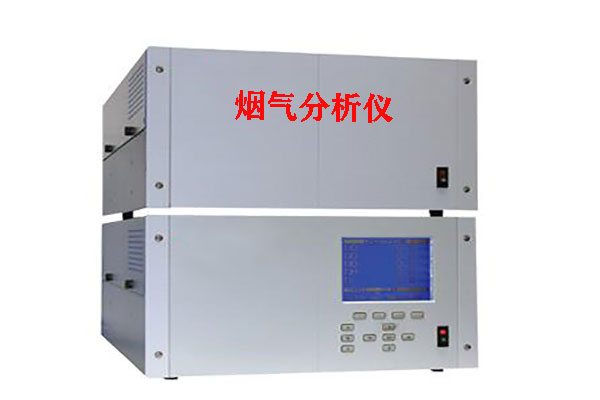
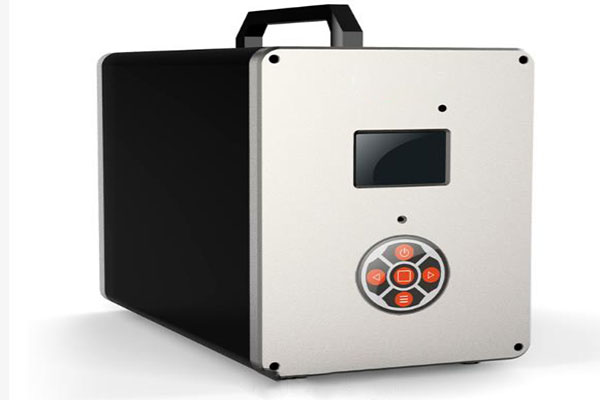
I don't get it. The smoke analyzer's fine.Time: 2022-04-25 Abstract: The flue gas analyzer is a device for measuring the flue content of CO2, CO, NOx, SO2, etc., using continuous analysis of electrochemical sensors. Mainly for small-scale fuel, gas boilers or hand-held use for environmental monitoring near sources of pollution. Depending on the mode of use, it can be divided into handheld flue gas analyzers and fixed-line recorders. The principles, the working principles of the flue gas analyzer, are commonly used in two ways: electrochemical and infrared. Portable flue gas analyzers in the market are usually a combination of these two principles. Below is a description of the working principles of the two flue gas analyzers:
EGC sensors: The gas to be detected is removed through dust, damp into the sensor room, enters the electrolytic cell through the permeable membrane, so that the gas that is diffused in the electrolytic fluid is electrolyzed at the specified oxidation level, and concentrations of the gas are derived from the consumed electrolytic current. Installation of working electrodes, electrodes and reference electrolytics between electrolytes, diaphragms made of pore-tetrafluoroethylene and encapsulation at the top, in a plastic-made drum pool. The pre-memplifier is connected to the sensor ' s electrode, which exerts a certain level of electrical power between the electrodes, leaving the sensor in a working state. The working electrodes of gases in electrolytes are oxidized or reducted, and the electrodes are reductive or oxidized, and their equilibrium level changes, with a variation value proportional to the concentration of gases. Gases such as SO2, NO, NO2, CO, H2S can be measured, but the sensitivity of these gas sensors varies from H2S, NO, NO2, SO2, CO, usually from seconds to tens of seconds, to less than 1 min; They have a life span of only half a year, two or three years, and some CO sensors last for several years. Infrared sensors: Use of different gases for special absorption properties of the electromagnetic energy of the infrared wavelengths for the analysis of ** constituents and content. Infrared radiation generally refers to electromagnetic radiation with wavelengths from 0.76 μm to 1000 μm. Infrared gas analyzers typically use wavelengths of approximately 1–50 μm. Applied industry Frozen gas analyzers are applicable to all types of industrial stoves or chimneys; The environmental protection industry; Engines; Boiler monitoring; Energy monitoring function; Metallurgy industry; Thermal power industry; Building materials silicate industry; Energy efficiency monitoring in petrochemicals The combustion parameters used to determine the flue gas are ideal equipment for boilers to adjust, optimize combustion efficiency, save energy and control emissions. Enhanced flue gas analyzers are applied to long-term continuous tests of energy efficiency and pollution emissions from combustion units such as industrial combustion, large boilers, gas turbines, internal combustion engines and heaters. Combining the principles of infrared and electro-chemical measurements, with flexibility and diversity in the selection of measurement parameters
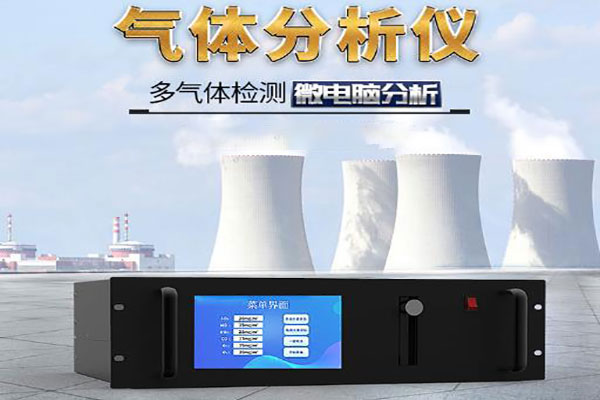
Especially suitable for low concentration emission measurements for various sources of pollution You can select important interfaces. , Like what? ethernet( Internet )、WLAN( Wireless LAN )、 Bluetooth. 、USB、RS485 and 8 Channels 4-20mA Simulate Output Long-range failure diagnosis can be achieved by viewing and transmitting measurements via the Internet, wireless networks The flue gas analyzer combines the principles of measurement of infrared and electrochemical gases and has great choice flexibility in the choice of measurement parameters. The instrument uses the Linux operating system, which displays the interface intuitive, flexible, touchable, smooth-screen operations in the same way as a smartphone; At the same time, the instrument can select different data communication interfaces. The results of the measurements can be accessed and transmitted via installed smart terminal remote control devices, a computer-like mainframe, remote viewing and transmission of the measurements via the Internet, web sites, user-developed APs, etc. Characteristics and functions Use Linux operating system, 7' (800x840 pixels) colour screen, visual touch and smooth screen operation techniques Oxygen measurements using long-lived electrochemical sensors or magnetic oxygen sensors Efficiently integrated Palladium chiller, automatic discharge of codensation water from creep pumps Hardware and software functionality for automatic detection instruments On continuous long-term measurements, automatic zero-point calibration by time interval set by the user Automatic measurement program, with automatic storage of measurements at set time intervals
Graphical data to send files in CSV or PDF format to PC machines using USB or the Internet 8 Road. 4-20mA Simulate Output ;4 Road. 4-20mA Simulate signal input ; Universal AUX Extensions , Connectable “k” Thermal dolls and tapes. 0-10V、4-20mA and RS485 External instruments exported Calculation of standard combustion and emission parameters Full fuel list with user-defined fuel Frozen and ambient temperature measurements, differential measurements Specialized sample gas vents, which connect the hoses and drain the exhaust gas 48 Wh Lithium Ion Battery Standby |