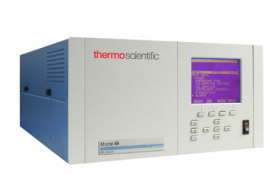
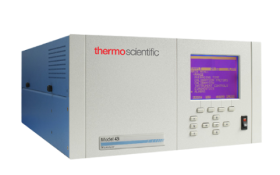
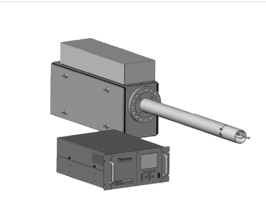
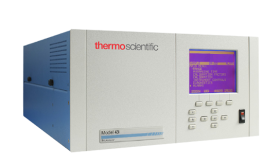
Every plumber and gas installer is aware that the use of flue gas analyzers for the installation of gas appliances in homes and buildings is essential. They ensure that the equipment operates safely and that it does not produce harmful gases at harmful levels, which can be fatally released into the atmosphere. The flue gas analyzer must therefore be properly maintained and calibrated to ensure that this critical part of your work is as accurate as possible.
Dust detector abbreviated dust detector. Also known as dust gauges or dust testers, which are used mainly to detect dust concentrations in ambient air, the types of dust meters are: laser dusters, online continuous monitoring dust meters, portable dust meters, etc. Dust meters are widely used in disease prevention and control centres, mines, metallurgy, power plants, chemical manufacturing, health supervision, environmental protection, environmental online monitoring, etc.
The flue gas analyzer works in two ways: electrochemical and infrared. Portable smoke analyzers in the market are usually combined, as described below:
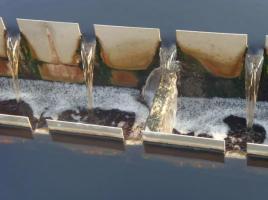
Wastewater management has been an important component of water environmental governance, and in recent years, with policy support, the sewage sector has developed better and its capacity has continued to grow.
There are still a lot of people who don't know how to operate the flue gas analyzer and how to use and operate the device correctly. Let's look at it today.