|
-
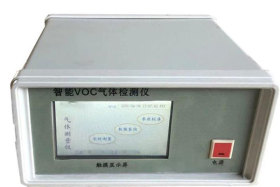
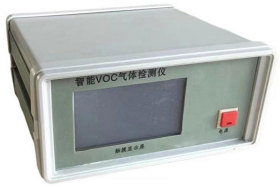
The selection of different categories of VOC gas detectors is a common feature: flammable gas detection is more important than toxic gas detection, and acute intoxication gas detection is more important than detection of gases that may cause chronic poisoning. For many of the gases that may exist, a standardized test is required, rather than focusing only on certain gases for detection analysis, and it is necessary to detect gases in different settings where multiple gases are present. The choice of the VOC gas detector is primarily about the type and concentration range of the gas!
2022-05-26
0
0
0
-
How long has the VOC gas detector been in service? What are the influencing factors? The VOC gas detector is usually advised by the equipment user to calibrate the VOC gas detector on a regular basis, in order to prevent the use of data inaccuracies over a long period of time, and in order to regularly calibrate the VOC gas detector for a corresponding extension of its useful life. The frequency of VOC gas detectors, the detection environment, routine maintenance, etc. will have some impact on the accuracy of the tests. How long has the VOC gas detector been in service? What are the influencing factors?
2022-05-26
0
0
0
-
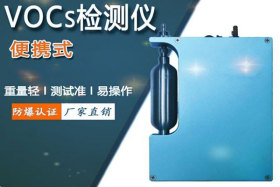
What is the choice of a portable VOC gas detector and a fixed VOC gas detector? The VOC gas detector is widely used in the petroleum industry, metallurgy, coal, electricity, food and oil processing, and scientific production, not only in the industrial sphere, but also in the civil and scientific fields, where VOC gas detectors are increasingly common. By field of application, three broad categories can be identified: industrial alarms, home alarms and specialized detectors. The difference between the portable VOC gas detector and the fixed VOC gas detector, depending on the method of work, is how the distinction is made when the purchase is made.
2022-05-26
0
0
0
-
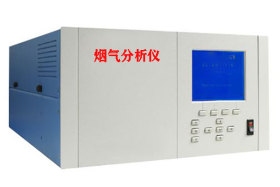
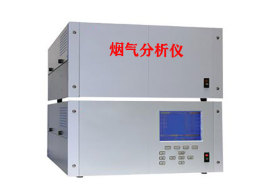
Aerogas analysis is important in the sectors of fertilizers, cement production, petrochemicals, metal and steel metallurgy, power generation, waste disposal, etc., with different compositions of flue gas, but mainly gases of SO2, NOx, CO, CO2, O2 etc. Frozen gas analyzers have become powerful devices used by these industries to ensure safety, stability and efficient production.
2022-04-25
0
0
0
-
Summary: The scope of the test is wide and customized: the range of detectable gases is wide: O2, CO, NO, NO2, SO2, H2S, H2, CH4, CO2, CxHy, etc., Aerogas analyzer* has 16 additional gases; All flue content, calculated values and flue temperature, ambient temperature and continuous flow measurements are shown together; 18 selected standard fuels with relevant calculation factors, modularization structures with reference oxygen-value flue gas analyzers, stabilization of high accuracy: compact airframes are made of aluminum alloyed by aviation, and modules are integrated into solid protection boxes; Rechargeable batteries work independently for six hours to ensure continuous measurement; Dust filtering equipment; Gas pre-treatment configuration, built in condensation water removal and worm pumps.
2022-04-25
0
0
0
-
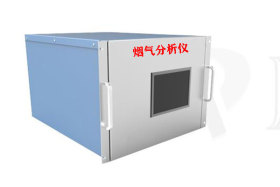
Abstract: The flue gas analyzer is a device for measuring the flue content of CO2, CO, NOx, SO2, etc., using continuous analysis of electrochemical sensors. Mainly for small-scale fuel, gas boilers or hand-held use for environmental monitoring near sources of pollution. Depending on the mode of use, it can be divided into handheld flue gas analyzers and fixed-line recorders. The principles, the working principles of the flue gas analyzer, are commonly used in two ways: electrochemical and infrared. Portable flue gas analyzers in the market are usually a combination of these two principles. Below is a description of the working principles of the two flue gas analyzers:
2022-04-25
0
0
0
|
|