
|
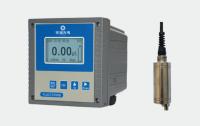
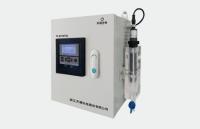
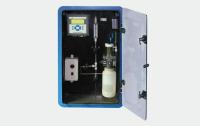
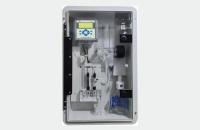
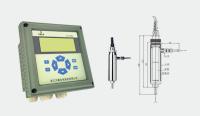
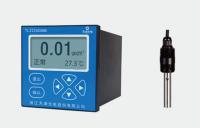
Orion 2240 Ammonia Nitrogen Analyzer

The Orion 2240 uses an ammonia-sensitive electrode to measure ammonia nitrogen in biological samples, surface water and wastewater. Applications include fixed-site monitoring of wastewater discharges from major pollution sources and influent and effluent monitoring at wastewater treatment plants. High-precision syringe pumps introduce the sample and reagents into the measuring cell. Added alkali raises the pH to ≥11, converting ammonium salts to ammonia. Ammonia diffuses through the electrode membrane, which blocks water and other ions. The resulting H+ concentration change in the internal film is measured by a pH glass electrode. Markets and applications: Target water quality monitoring of discharges of wastewater from priority pollution sources and monitoring of water quality in and out of sewage treatment plants In the Orion 2240 ammonia nitrogen analyzer, high-precision syringe pumps feed the sample and reagents into the measuring cell. A strong alkali raises the pH to ≥11, converting ammonium salts in the sample to ammonia. The ammonia diffuses through the semipermeable membrane of the combined ammonia-sensitive electrode, while water and other ions cannot pass through. This changes the H+ concentration in the thin internal film, which is measured by the indicator electrode (a pH glass electrode). According to the Nernst equation, at constant ionic strength the measured electromotive force varies linearly with the logarithm of the ammonia nitrogen concentration. The sample concentration can therefore be calculated from the measured potential. Features :: Users can set automatic cleaning and calibration cycles to reduce manual maintenance and ensure long-term reliability • Chinese, English interface • A state-of-the-art diagnostic self-inspection system is in place • Complete flow design is patented, corrosive-resistant, and reagents are free ● External data standard configuration RS232 Interfaces and 0-20mA Simulate signal output , It can also be extended. RS485
Related Products
|