


|
Model200 Dilution-Based CEMS
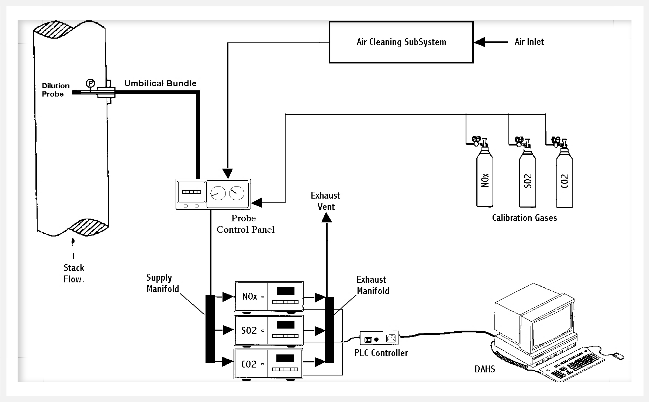
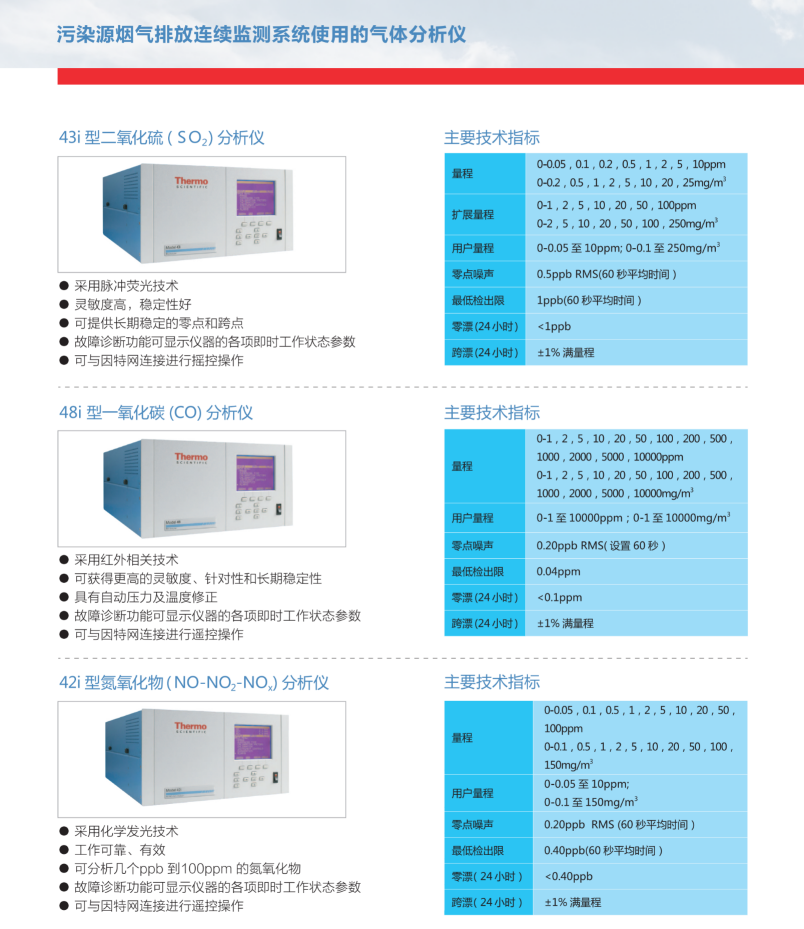
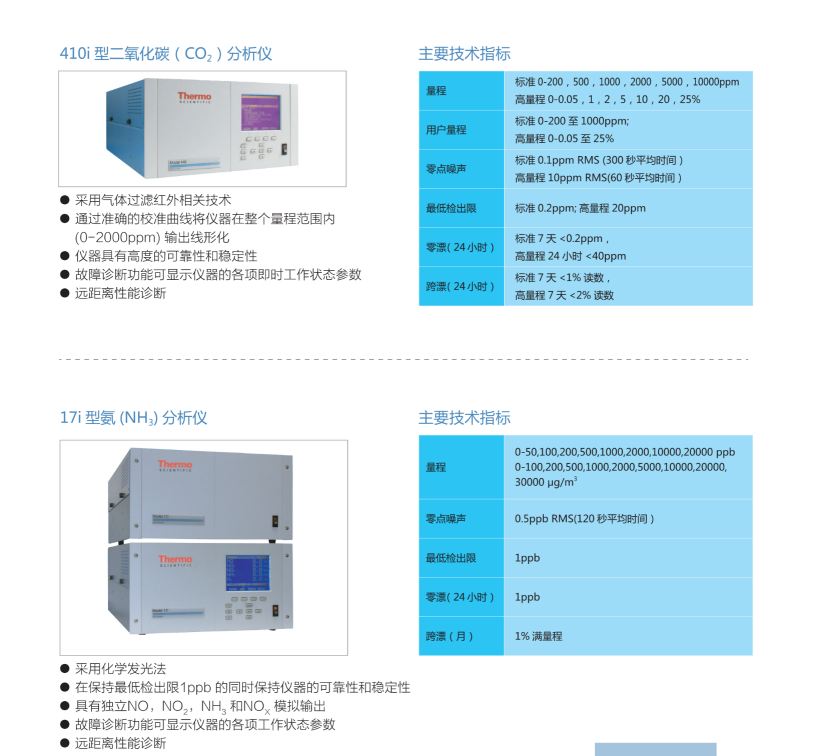
A. Dilution detection B. Air purification systems C. Frozen analyzer D. Probe controllers E. Calibration of steel bottles F. Data acquisition devices I. Dilution can solve the problem of condensed water. Use off-site dilution technology to completely eliminate the effects of condensation water without the need for a heat pipe. Dilution techniques address congestion caused by high soot content. The selection of the United States National Environmental Protection Agency (EPA) preferred wet-counting method not only avoids SO2 and NOx losses during the dehumidisation process, but also eliminates the corrosive effects of water not being removed from samples. II. Constant dilution ratio: Temperature and pressure change will not affect dilution ratio The probe is designed with a unique sound-speed small hole. A constant flow occurs when the pressure differential at both ends of the small sound-speed hole is greater than 0.46 times. The persistence of flue gas inhalation is assured when negative pressure (53 kpa) is greater than a certain threshold at the back of a small sound-speed hole. A gas pump at the back of a small sound hole in the manchute, diluted by a blow to the throat of the tube, creates a sufficiently large vacuum to inhale the flue gas and meets the vacuum threshold for normal operation of the sound-speed hole. The main components of the probe work in aerodynamics. As long as the instrument gas is continuously available (mean gas requirement: 0.6 Mpa, 20 L/min), it will be possible to ensure the normal operation of the acoustic pores and penetrators. Dilution ratio within the pipe is between 1:10 and 1:250 and outside the pipe is between 1:16 and 1:175. High-precision analyzers ensure accuracy and accuracy of measurements Thermo Fisher Scientific Technology, as the inventor of the UV fluorescent SO2 analyzer and the chemiumscence NOx analyzer, developed itself to produce the world ' s leading gas analyzer. An atmospheric-scale analyzer, measuring accuracy at the ppb level, provides sufficient assurance as to the accuracy and accuracy of the measurements. The analysis system uses a modular design mix, which allows for flexible configuration of the system according to the actual monitoring requirements of the client. It ensures that each instrument works under optimal conditions and has more accurate and easily maintained features than multi-parameter instruments.
System-wide calibration to ensure accuracy of measurements The system-wide calibration of CEMS, i.e. the delivery of standard gases to the front end of the probe, and the dilution of the specimen into the analyzer by the same process as normal sampling, allows maximum assurance of the accuracy of the system, is also the only approved mode of calibration in the United States EPA. For monitoring low concentrations of gaseous pollutants, the direct extraction method CEMS is usually limited by the method, and the error of the minimum range is difficult to meet the precision requirement. V. Dilution fundamentally guarantees the accuracy of systematic measurements. Traditional direct extraction (cool drying), condensation water from chillers is adsorbing to SO2, the amount of SO2 loss increases with increased flue gas moisture and reduced SO2 concentrations, and it may not even be possible to detect SO2 at all after low concentration discharges. Traditional NDIR Analyzer minimum range 100 or 150ppm( Approximately 300mg/m3), Subject to method , The error of the lowest range does not satisfy the precision requirement 。
|